Factories and industrial sites generate significant amounts of metal waste as a natural part of daily operations — offcuts, damaged equipment, old machinery, and production leftovers all add up over time. Rather than letting this material sit around taking up valuable space, businesses across the city are turning it into fast cash. If you’re managing an industrial site, here’s how to get the best return on your factory scrap metal in Melbourne.
Identify What You Can Sell
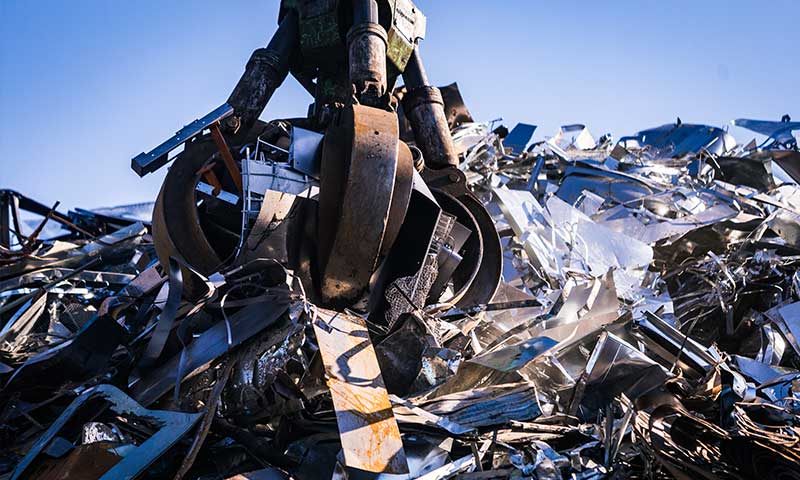
Factories typically generate a wide range of scrap, including steel beams, aluminium sheeting, copper wiring, machine parts, and stainless steel offcuts. Even damaged or outdated equipment often contains valuable metals. Taking stock of what’s accumulating on-site is the first step toward turning factory scrap metal in Melbourne into a reliable revenue stream rather than a storage burden.
Sort and Separate for Better Value
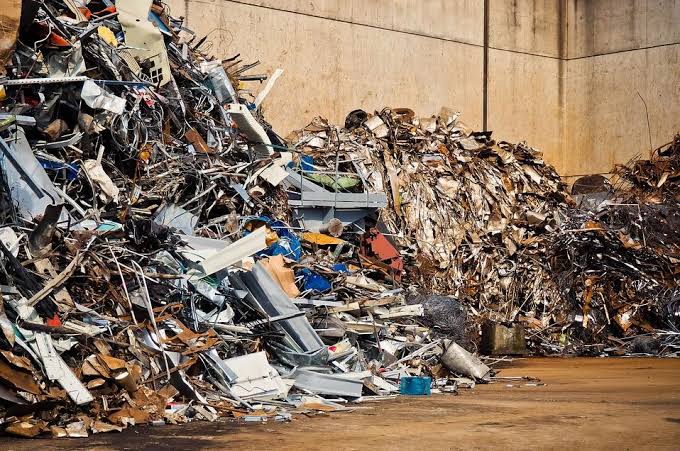
Industrial sites often produce mixed scrap, but separating materials by type — ferrous versus non-ferrous — before selling can significantly boost your payout. Copper wiring and aluminium components are worth considerably more per kilo than steel, so keeping them apart ensures accurate, higher-value pricing rather than a lower blended rate.
Partner With a Reliable Recycler
Establishing an ongoing relationship with a trusted provider of metal recycling in Melbourne can streamline the entire process for busy factories. Regular buyers often offer better rates to consistent clients, along with scheduled pickups that fit around your production timeline, removing the hassle of arranging one-off collections every time scrap accumulates.
Set Up a Dedicated Collection System
Rather than letting scrap pile up haphazardly, designate collection bins or areas for different metal types around your facility. This makes it far easier for staff to sort waste as it’s generated and speeds up the eventual pickup process, ensuring your factory scrap metal in Melbourne is ready to go whenever a collection is scheduled.
Schedule Regular Pickups
For factories generating consistent volumes of scrap, arranging regular collection — weekly, fortnightly, or monthly — keeps your site clutter-free and ensures a steady stream of income. Many providers offering metal recycling in Melbourne will tailor a pickup schedule to suit your production output, so you’re never dealing with an overwhelming backlog.
Compare Rates Across Providers
Not all recyclers pay the same for industrial scrap, so it’s worth comparing quotes from a few different buyers before settling on a long-term partner. Rates for factory scrap metal in Melbourne can vary based on volume, metal type, and market conditions, so periodically reviewing your arrangement ensures you’re still getting competitive pricing.
Ensure Compliance and Safety
Industrial scrap often includes hazardous elements like oils, coolants, or chemical residues. Always work with a licensed recycler who understands proper handling and disposal procedures, ensuring your business stays compliant with environmental regulations while keeping staff and site safety a priority.
Track Your Returns
Keep records of each transaction, including weight, metal type, and payment received. This not only helps with accounting but also gives you a clearer picture of how much value your facility generates over time, helping you negotiate better rates as a repeat customer.
Final Thoughts
Factory waste doesn’t have to be a cost centre — with the right approach, it becomes a genuine source of revenue. By sorting materials, partnering with a trusted metal recycling in Melbourne provider, and scheduling regular pickups, businesses can turn factory scrap metal in Melbourne into fast, consistent cash while keeping their site clean and compliant.